
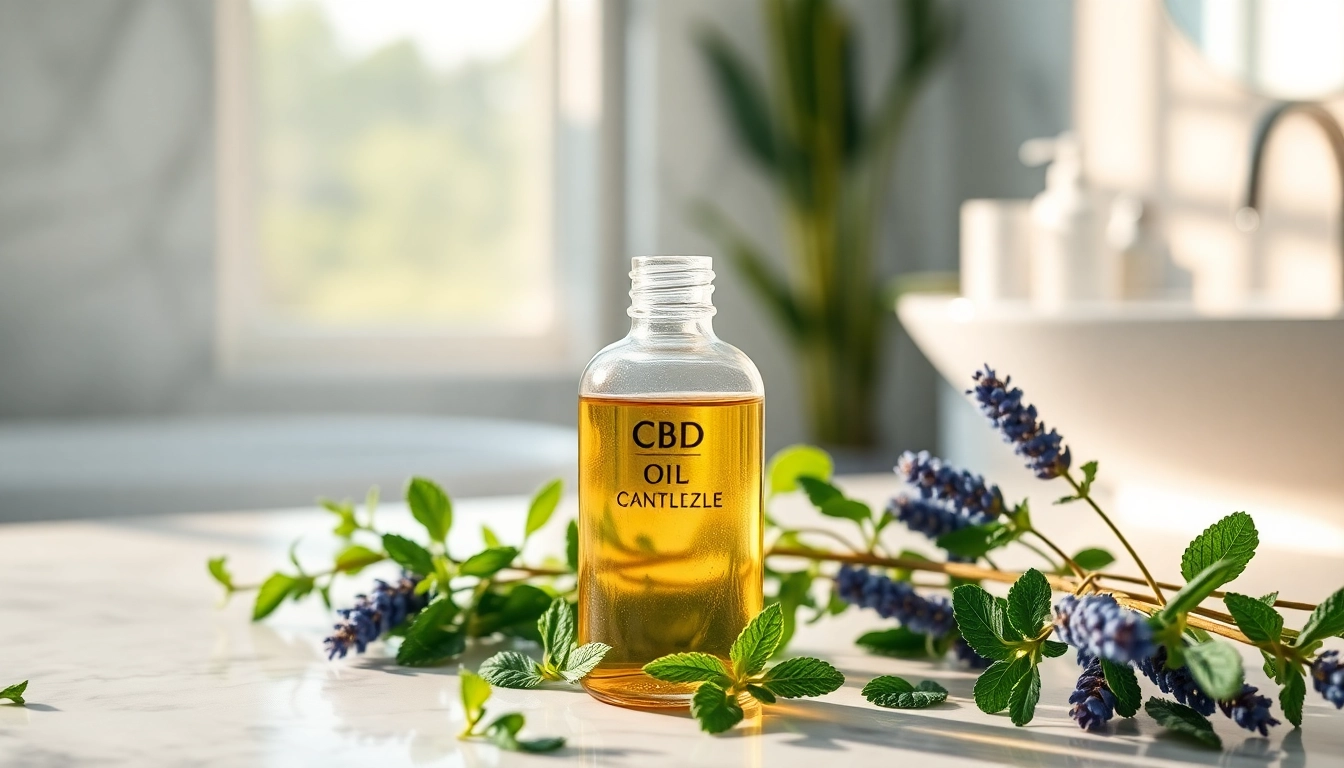
Understanding CBD Oil for Skin
Cannabidiol (CBD) oil has surged in popularity as a versatile solution for various health and wellness concerns, from chronic pain relief to anxiety management. In recent years, this compound derived from the hemp plant has gained traction in the CBD oil for skin market, touted for its potential benefits in skincare. Understanding how CBD oil interacts with the skin and its properties can empower individuals to make informed choices regarding their skincare routines.
What is CBD Oil?
CBD oil is a natural oil extracted from the hemp plant, specifically from its flowers, leaves, and stalks, containing high concentrations of cannabidiol. Unlike its more famous cousin, THC (tetrahydrocannabinol), CBD is non-psychoactive, meaning it doesn’t induce a “high.” As a result, it has become a source of interest not only for its therapeutic potential but also for its application in skincare products. The oil can be processed into various forms, including tinctures, creams, and serums, offering multiple options for consumers and their skincare needs.
Cannabinoids and Skin Health
The human body possesses an intricate network known as the endocannabinoid system (ECS), which plays a crucial role in regulating many physiological processes, such as inflammation, pain sensation, and even mood. The skin has its own ECS, with cannabinoid receptors present throughout its layers. These receptors can interact with cannabinoids like CBD, potentially aiding in various skin health issues. This understanding lays the groundwork for exploring CBD oil's broader implications for skin wellness.
How CBD Oil Works on the Skin
CBD oil is believed to promote skin health through its interaction with the ECS, which can help balance different skin functions. When applied topically, CBD can penetrate the skin's surface and engage with cannabinoid receptors, leading to potential outcomes such as reduced inflammation, pain relief, and improved hydration. Additionally, CBD oil is rich in antioxidants, which can combat oxidative stress and protect the skin from environmental damage, thus promoting overall skin health.
Benefits of CBD Oil for Skin
Recognized for its exceptional properties, CBD oil presents several advantages in skincare, making it a valuable addition to dermatological regimens. Below are some of the primary benefits observed with the application of CBD oil for skin health.
Anti-Inflammatory Properties
One of the most celebrated benefits of CBD oil is its anti-inflammatory properties. Research indicates that CBD has the capability to alleviate inflammation, making it particularly beneficial for conditions like acne, eczema, and psoriasis. By downregulating the production of pro-inflammatory cytokines, CBD oil can contribute to reduced redness, swelling, and irritation often associated with these conditions. This characteristic positions CBD oil as a promising candidate for inflammatory skin ailments.
Hydration and Moisturization
CBD oil can be an excellent moisturizer for the skin. It contains various fatty acids, including omega-3 and omega-6, which are essential for maintaining a healthy skin barrier. This barrier mitigates moisture loss, ensuring the skin remains adequately hydrated. Hydrated skin not only enhances its texture and appearance but can also support its innate healing processes, making it a crucial element in skincare formulations.
Protection Against Skin Conditions
Several studies suggest that CBD oil may provide protective effects against skin conditions. Its potential to alleviate symptoms associated with eczema and psoriasis is particularly notable. For those battling acne, CBD's ability to regulate sebum production and possess antibacterial properties may help prevent breakouts. With its multifunctional approach, CBD oil may indeed serve as a viable option for enhancing skin health and addressing various skin concerns.
Using CBD Oil for Skin Care
Incorporating CBD oil into a skincare routine can be a straightforward process, provided one understands how to apply it effectively. Here’s a guide on how to use CBD oil for skin care successfully.
Incorporating CBD Oil into Your Routine
To reap the benefits of CBD oil, it can be included as part of daily skincare routines. This may involve using it in its pure form or seeking out products that contain CBD as an active ingredient, such as creams, serums, or face masks. For those new to CBD skincare, it is advisable to start with a patch test to ascertain any sensitivities, and then gradually increase usage based on personal preference and skin response.
Top Application Methods
When it comes to application, those interested in using CBD oil can adopt different methods:
- Topical Application: This involves applying CBD oil directly to the skin. This method allows for targeted relief for issues like localized pain, inflammation, or dryness.
- Incorporation into Moisturizers: Enhancing a regular moisturizer with CBD oil can amplify its hydrating properties, providing dual benefits of hydration and anti-inflammatory effects.
- Facial Oils and Serums: CBD-infused facial oils and serums often contain additional beneficial ingredients that work synergistically with CBD, providing a multifaceted approach to skincare.
Recommended Dosages for Maximum Benefits
The optimal dosage of CBD oil can vary significantly based on individual skin types, conditions, and the specific concentration of the product used. Generally, starting with a low dosage (around 5-10 mg of CBD per application) is prudent, allowing the skin to adjust. Consumers can gradually increase the amount based on effectiveness and tolerance. It is vital to observe how the skin reacts after each application and adjust accordingly.
Choosing the Right CBD Oil for Skin
As with any skincare product, selecting the right CBD oil is essential to achieve the desired outcome and ensure a positive experience. Here are several important factors to consider when choosing a CBD oil for the skin.
Locating Quality CBD Products
The market for CBD products is rapidly expanding; however, not all options are created equal. Consumers should seek products from reputable sources, emphasizing transparency regarding sourcing, extraction methods, and lab testing. Reading customer reviews and seeking certifications can provide insights into product effectiveness and safety.
Identifying Full-Spectrum vs. Isolate
CBD products are typically available in two forms: full-spectrum and CBD isolate. Full-spectrum CBD contains a range of cannabinoids, terpenes, and other beneficial compounds found in the hemp plant, offering what is known as the "entourage effect." Conversely, CBD isolate contains only pure cannabidiol. Those wishing to harness the full potential of CBD may prefer full-spectrum products. However, those sensitive to THC may opt for isolates instead.
Reading Labels and Understanding Ingredients
Carefully reviewing labels is crucial when selecting a CBD oil for skin care. Consumers should look for products that list the concentration of CBD, other active ingredients, and the absence of harmful additives like parabens or synthetic fragrances. Additionally, selecting products with organic or natural ingredients may also enhance skin health benefits.
CBD Oil for Skin: Potential Side Effects and Considerations
While CBD oil presents numerous benefits, consumers should be aware of potential side effects and considerations when using it as part of their skincare routine.
Common Allergic Reactions
Although CBD is often well-tolerated, some individuals may experience allergic reactions, presenting as rashes or skin irritation upon application. Conducting a patch test prior to widespread use can help mitigate adverse reactions. If irritation occurs, discontinue use and consult a healthcare professional.
Interaction with Other Skin Products
Certain skincare ingredients may not interact favorably with CBD. For instance, some active ingredients in anti-aging products might exacerbate sensitivity, particularly when combined with CBD oil. It's wise to introduce new products with caution, allowing time to assess how individual components interact within a skincare regimen.
Consulting with a Dermatologist
For individuals with particular skin conditions or concerns, consulting with a dermatologist may be advisable when considering integration of CBD oil into their routine. Professionals can provide personalized recommendations and guidance on safely incorporating CBD and optimizing overall skincare strategies.