
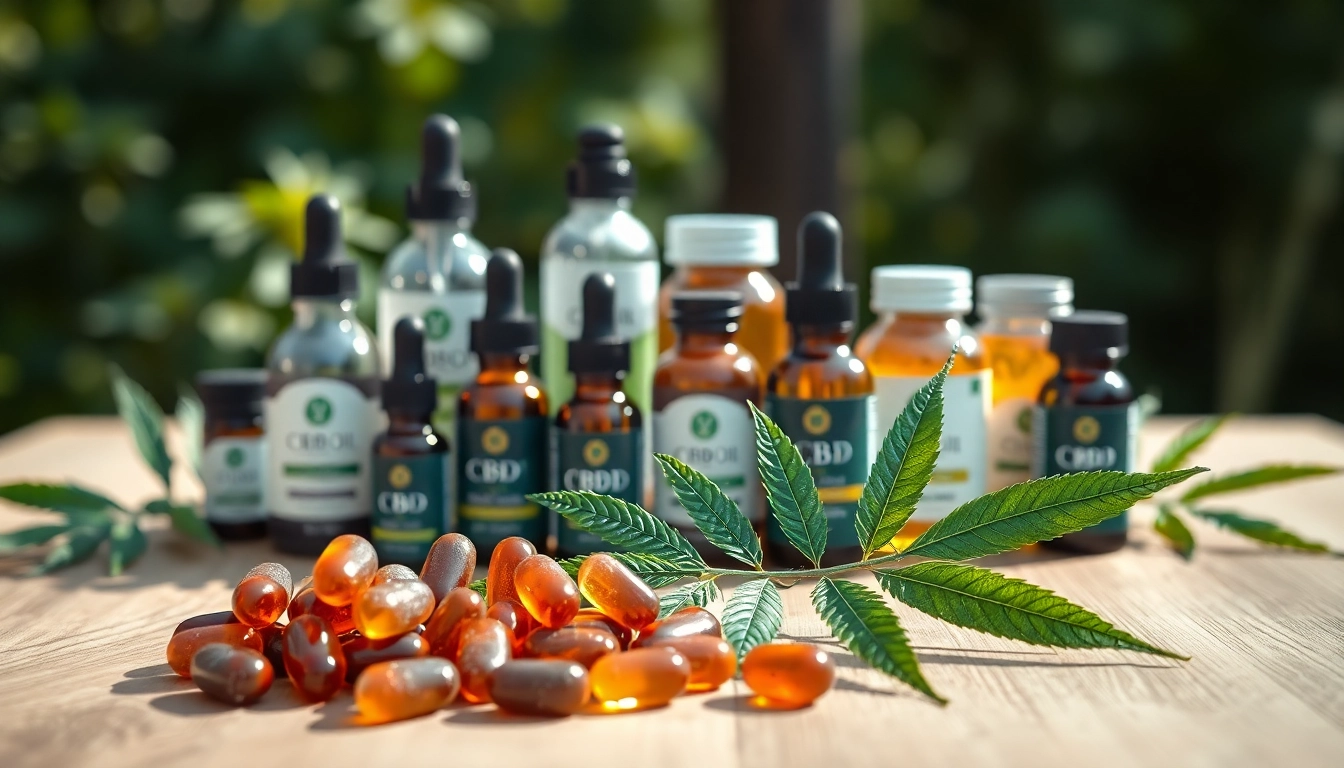
What is CBD and How Does it Work?
Cannabidiol, commonly known as CBD, is a natural compound found in the cannabis plant, particularly abundant in hemp. It belongs to a class of compounds known as cannabinoids which have garnered substantial attention for their therapeutic potential. Unlike its more famous counterpart, tetrahydrocannabinol (THC), CBD is non-psychoactive, meaning it does not induce the 'high' typically associated with cannabis consumption. This non-intoxicating property has made CBD a popular choice for those seeking to harness the benefits of the cannabis plant without the mind-altering effects. To explore the myriad benefits and uses of CBD, it’s essential to understand its underlying science and functionality.
The Science Behind CBD
The science of CBD revolves around its interaction with the endocannabinoid system (ECS), a complex cell-signaling system found in the human body. The ECS plays a pivotal role in regulating a variety of physiological processes, including mood, pain, appetite, and memory. It consists of endocannabinoids (produced naturally by the body), receptors (CB1 and CB2), and enzymes that break down cannabinoids.
When CBD is introduced into the body, it interacts primarily with the CB2 receptors, which are found throughout the immune system and in peripheral tissues, influencing pain and inflammation. Unlike THC, CBD does not bind directly to these receptors; instead, it alters the way receptors respond to other cannabinoids. This interaction helps modulate various internal systems, potentially leading to numerous health benefits.
Endocannabinoid System and CBD Interaction
The endocannabinoid system's primary function is to maintain homeostasis, or balance, within the body. CBD's interaction with the ECS is believed to promote this balance by decreasing inflammation, modulating pain signals, and regulating neurotransmitter release.
Research suggests that CBD may help mitigate symptoms related to various conditions, including anxiety disorders, chronic pain, and neurodegenerative diseases. For example, by enhancing the levels of naturally occurring endocannabinoids, CBD might alleviate feelings of anxiety and regulate emotional responses. Furthermore, as studies expand our understanding of this complex system, the potential therapeutic applications of CBD continue to evolve.
Different Forms of CBD Available
CBD is available in several forms, catering to different preferences and needs. These include:
- CBD Oil/Tinctures: Concentrated extracts that are typically administered sublingually for fast absorption.
- CBD Edibles: Food items infused with CBD, such as gummies or chocolates, providing a discreet consumption option.
- CBD Vaping: Involves inhaling vaporized CBD oil, allowing for immediate effects.
- CBD Topicals: Creams, lotions, or balms applied directly to the skin for localized relief of pain or inflammation.
- CBD Capsules: Convenient pills that provide a pre-measured dose of CBD.
- CBD Isolate: Pure CBD in crystal form, free of other cannabinoids and compounds from the plant.
The choice of delivery method can impact the effectiveness and onset time of CBD's effects, based on factors such as metabolism and the condition being addressed.
Benefits of CBD: What Research Says
The benefits of CBD are diverse, supported by a growing body of research that highlights its potential in treating a range of health conditions. Understanding these benefits can help individuals make informed decisions about incorporating CBD into their wellness routines.
Psychological Benefits of CBD
One of the most prominent advantages of CBD is its potential to alleviate symptoms of anxiety and depression. Several studies suggest that CBD may influence serotonin receptors in the brain, which play a crucial role in mood regulation.
Research has indicated that CBD can reduce anxiety during public speaking tasks, and it may also help decrease anxiety-related behaviors in animals. For individuals grappling with chronic anxiety or those living with post-traumatic stress disorder (PTSD), CBD may offer a natural alternative to traditional medications, potentially with fewer side effects.
Moreover, CBD's neuroprotective properties are being investigated for applications in managing neurological disorders like epilepsy and multiple sclerosis. The FDA has even approved a CBD-based medication, Epidiolex, for treating severe forms of epilepsy in children.
Physical Health Advantages of CBD
Beyond mental health, CBD holds promise in enhancing physical health as well. Its anti-inflammatory properties can be particularly beneficial for those who suffer from chronic pain conditions. By modulating pain perception through its effect on the ECS, CBD may provide relief for conditions such as arthritis, multiple sclerosis, and fibromyalgia.
Additionally, CBD is noted for its potential cardiovascular benefits. Preliminary research has shown that CBD may help lower blood pressure and reduce heart inflammation. It also exhibits antioxidant properties, further reinforcing its role in promoting heart health.
Research is also ongoing into CBD's effects on sleep. Many users report improvements in sleep quality and reduction in insomnia symptoms, making it a potential natural solution for those dealing with sleep disturbances.
Potential Risks Associated with CBD Use
While CBD is generally well-tolerated by most individuals, it is not without potential risks. Side effects can include fatigue, diarrhea, and changes in appetite, among others. For some, particularly those taking specific medications, CBD may interact negatively. Therefore, consulting a healthcare provider prior to starting CBD is advisable, especially for individuals on other treatments.
Additionally, the lack of regulation in the CBD market can lead to issues with product quality. Consumers must be vigilant about sourcing products from reputable suppliers and reviewing third-party lab test results to ensure potency and purity.
How to Choose CBD Products
Choosing the right CBD product can be overwhelming, given the vast array of options available. Understanding how to select high-quality CBD products is crucial for ensuring safety and effectiveness.
Identifying Quality and Purity in CBD
Quality and purity are paramount when selecting CBD products. The best products undergo rigorous third-party testing to validate their contents, including cannabinoid concentrations and the absence of harmful substances. Look for products that provide certificates of analysis (COAs) from reputable laboratories.
Additionally, consider the source of the hemp used for extracting CBD. Organic, U.S.-grown hemp is generally associated with higher quality, as it tends to be free from pesticides and heavy metals.
Understanding CBD Concentration and Dosage
CBD concentration can vary widely between products, making it essential for consumers to understand how to determine suitable dosages. Start with a low dose and gradually increase until desired effects are achieved. Most CBD products will indicate the total amount of CBD per serving, helping consumers measure their intake accurately.
It is also important to consult healthcare providers for personalized dosing recommendations, considering factors like body weight and individual health conditions.
Knowing the Different Types of CBD Products
As mentioned, CBD products come in several forms, and understanding their differences can guide consumers in making informed choices. Full-spectrum CBD includes all the compounds found in the hemp plant, including THC (though legally below 0.3% in the U.S.). Broad-spectrum CBD contains multiple cannabinoids without THC, while CBD isolates are pure CBD without other compounds. Each type may have different effects and benefits, so it’s essential to choose based on personal preferences and needs.
The Legal Landscape of CBD in the United States
The legal status of CBD in the U.S. is complex and evolving, influenced by various state and federal regulations. Understanding these regulations is vital for those considering the use of CBD products.
State vs. Federal Regulations
At the federal level, the enactment of the 2018 Farm Bill legalized hemp-derived CBD products containing less than 0.3% THC. Despite this, states retain the power to establish their own laws regarding the sale and use of CBD, which can lead to significant variations across the country. Some states have embraced CBD, while others have imposed restrictions or outright bans.
As a consumer, it's crucial to be aware of your state’s regulations concerning CBD, as these laws will dictate what forms of CBD products are legally accessible to you.
Future Trends in CBD Legislation
The CBD market is rapidly growing, leading to ongoing discussions regarding regulation and safety. One trend to watch is the potential for increased federal oversight of the CBD industry, aimed at ensuring product safety and clearer packaging standards.
As research continues to unveil new benefits and usage contexts for CBD, it's likely that legislative frameworks will be adapted to enhance consumer safety while promoting innovation within the industry.
Navigating Legal Restrictions
For those who wish to use CBD, navigating legal restrictions can be a challenge. To do so, it may be beneficial to consult local legislation, keep abreast of updates from health organizations, and engage with community discussions surrounding CBD use. This proactive approach can help consumers stay informed about their rights and any potential legal implications related to CBD usage in their area.
Best Practices for Using CBD Safely
While CBD is considered safe for most users, adopting best practices ensures a positive experience and maximizes its benefits.
Consulting Healthcare Providers
Before beginning any new wellness regimen involving CBD, consulting with a healthcare professional is recommended. This is particularly important for individuals with existing health conditions or those taking medications, as CBD can interact with various pharmaceutical drugs.
Healthcare providers can offer personalized recommendations based on individual health profiles, helping ensure safe and effective usage.
Monitoring Effects and Adjusting Dosage
Once individuals start using CBD, monitoring effects can help determine its efficacy. Keep a journal noting the dosage, timing, and any observed effects to facilitate informed adjustments. This practice can enhance the likelihood of achieving desired outcomes while minimizing side effects.
Staying Informed on CBD Research Developments
The field of CBD research is ever-evolving. Staying updated on new studies, findings, and regulatory changes is crucial for consumers. Resources such as reputable health websites, academic journals, and news articles can provide valuable insights into the latest advancements surrounding CBD.
In conclusion, CBD presents a promising avenue for improving physical and mental health. As research continues to unveil its potential, consumers should approach CBD with an informed mindset, prioritizing safety and quality when selecting products.