
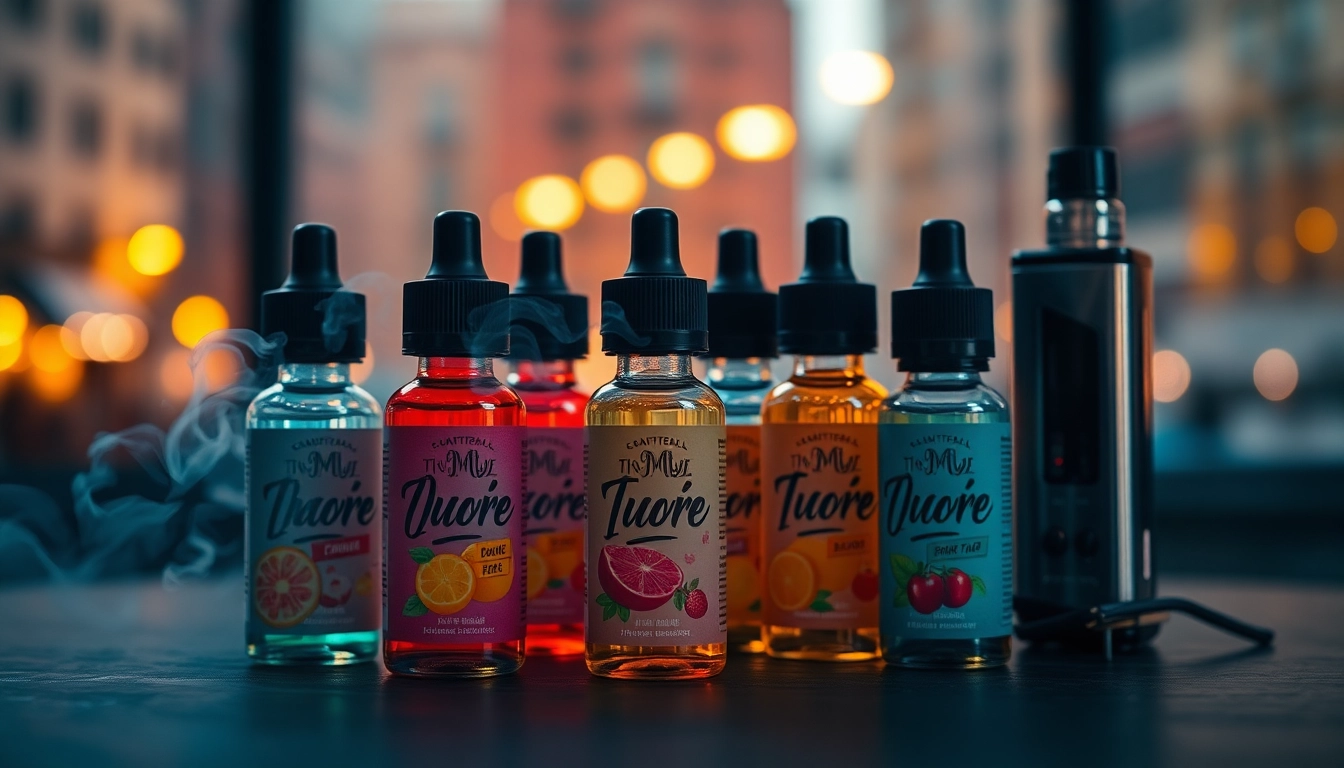
Understanding Vape & E-Liquids
As vaping culture continues to expand and evolve, it’s essential to have a solid understanding of Vape & E-Liquids. This guide aims to shed light on what these products are, their ingredients, how they function, and the variations available in the market today. Whether you are a seasoned vaper or are contemplating your first purchase, gaining clarity on the fundamentals will enhance your experience.
What Are Vape & E-Liquids?
Vape juice, often referred to as e-liquids or vape liquid, is a fluid used in electronic cigarettes and vaping devices. When heated, it transforms into an aerosol, often called vapor, that is inhaled by users. E-liquids are typically composed of propylene glycol (PG), vegetable glycerin (VG), flavorings, and often nicotine. Understanding these elements can help users make informed decisions about their vaping experience.
Key Ingredients in Vape & E-Liquids
The primary components of vape & e-liquids include:
- Propylene Glycol (PG): This ingredient is a colorless and odorless liquid that serves as a base for many e-liquids, helping to deliver flavor and throat hit similar to traditional smoking.
- Vegetable Glycerin (VG): A thicker liquid, VG is primarily responsible for generating vapor and contributes to a sweeter flavor profile. Most premium e-liquids contain a mix of PG and VG to optimize both flavor delivery and vapor production.
- Flavorings: E-liquids come in infinite flavor profiles, from traditional tobacco and menthol to exotic fruits and desserts, catering to a wide range of preferences.
- Nicotine: An optional ingredient, nicotine levels can vary, allowing users to customize their experience based on how much they desire. It’s available in several strengths, providing options for both heavy and light vapers.
How Vape & E-Liquids Work
Understanding the mechanics of how e-liquids work is crucial for optimizing the vaping experience. The process involves a few key steps:
- Heating: The vaping device heats the e-liquid in its chamber, transforming it from liquid to aerosol.
- Vaporization: As the liquid heats, it vaporizes, creating an inhalable mist.
- Inhalation: Users inhale the vapor through the device, delivering flavor, nicotine (if included), and other effects directly to the lungs.
This process allows for much smooth inhalation when compared to traditional smoking, with many users noting a more pleasant throat hit.
Types of Vape & E-Liquids Available
The variety of e-liquids available in the market today is astounding. Manufacturers create a plethora of options to cater to diverse preferences. Here’s a closer look at what’s out there.
Nicotine Strengths and Options
E-liquids come in various nicotine strengths. This flexibility allows users to match their preferences and gradually taper their nicotine intake if desired. Common strengths include:
- Zero Nicotine: Ideal for those who enjoy the flavor and experience of vaping without the addictive substance.
- Low Nicotine: Typically around 3mg/ml, suitable for light smokers or those looking to decrease their nicotine consumption.
- Moderate Nicotine: Usual concentration is about 6mg/ml, catering to average smokers.
- High Nicotine: With concentrations ranging from 12mg/ml to 24mg/ml, high nicotine e-liquids are perfect for those transitioning from traditional cigarettes.
Flavor Profiles and Customizable Blends
The flavor experience of vaping is one of its greatest appeals. E-liquids are available in an array of flavors, allowing users to explore and find what resonates best with their palate. Common categories include:
- Tobacco: These mimic traditional cigarette flavors, appealing to those making the switch or missing the taste of cigarettes.
- Fruity: From berry blends to tropical fruits, these flavors are popular for their refreshing qualities.
- Desserts: Sweet flavors that include pastries, cookies, and other indulgences attract users with a sweet tooth.
- Menthol and Mint: Adding a refreshing twist, these are often chosen for their cool sensations.
- Custom Blends: Many companies allow users to create unique blends, giving them control over their flavors.
Popular Categories of Vape & E-Liquids
Aside from the basic categories of flavors and nicotine strengths, e-liquids can be classified based on specific use cases, such as:
- Salts: Nicotine salt e-liquids deliver nicotine more efficiently than traditional freebase nicotine, providing a richer experience and reducing throat hit.
- Freebase: This standard nicotine type is the most commonly available in the market, offering a wide range of options for users.
- CBD Infused: For users looking to incorporate cannabinoids into their vaping experience, CBD e-liquids provide a unique alternative.
Choosing the Right Vape & E-Liquid
With so many options available, choosing the right vape and e-liquid can be daunting. However, understanding a few key factors can provide guidance.
Factors to Consider When Selecting
When searching for the perfect e-liquid, consider the following:
- Personal Preference: Determine your flavor and nicotine preferences. Experimenting with variety can help to identify what works best.
- Device Compatibility: Ensure that your chosen e-liquid is compatible with the type of vaping device you own or intend to purchase.
- Quality: Always select e-liquids made from high-quality ingredients, preferably from reputable manufacturers whose products are tested for safety and purity.
How to Match E-Liquids with Devices
The compatibility of e-liquids with devices is a vital consideration for an enjoyable vaping experience. Factors include:
- Tank and Coil Compatibility: Different e-liquids require specific coil types for optimal performance. Check device specifications to ensure a proper match.
- VG/PG Ratios: Devices that produce more vapor typically function better with higher VG e-liquids, while low-power devices may work better with higher PG ratios.
User Preferences and Trends in Vape & E-Liquids
User preferences often drive market trends and innovations in the industry. Major trends include:
- Health Conscious Choices: Growing awareness regarding wellness is leading consumers toward e-liquids with natural ingredients and lower nicotine concentrations.
- Disposable Devices: The popularity of disposable vapes continues to trend upward, appealing to those seeking convenience and less commitment.
- Custom Flavor Combinations: More brands are allowing consumers to create personalized flavors, aligning with the demand for unique experiences.
Health and Safety in Vape & E-Liquids
While vaping has been perceived as a less harmful alternative to traditional smoking, understanding the health implications is essential for users.
Understanding the Risks Associated with Vaping
There are various health considerations linked to vaping. Key points include:
- Respiratory Effects: Vaping can impact lung health, especially for frequent users. Some may experience irritation or exacerbation of underlying conditions.
- Nicotine Addiction: The potential for dependency should not be underestimated, particularly for beginner vapers.
- Ingredient Safety: Not all e-liquids are created equal; some may contain harmful additives or contaminants. Choose products from reputable brands that comply with safety standards.
Best Practices for Safe Vaping
To maximize safety while vaping, consider these best practices:
- Choose Quality Products: Invest in well-reviewed products and e-liquids from trusted manufacturers.
- Stay Informed: Engage with resources that provide advice on the latest in vaping trends and safety updates.
- Monitor Consumption: Be mindful of usage patterns to prevent overconsumption or reliance on nicotine.
Regulatory Aspects of Vape & E-Liquids
The regulatory landscape for vaping products is continuously evolving. It’s vital for users to stay informed about:
- Age Restrictions: In many places, there are strict age restrictions regarding the purchase and use of vape products.
- Labeling and Advertising Regulations: Brands must adhere to regulations ensuring that product claims are accurate and not misleading.
- Quality Control Standards: Regulatory bodies are now focusing on the safety and quality standards of e-liquids, impacting market offerings.
The Future of Vape & E-Liquids
As the vaping industry matures, innovations and consumer preferences will shape its future. Here’s what to look out for:
Innovations in Flavor and Delivery
The future emphasizes exploring unique flavor profiles and sophisticated delivery systems. Expect:
- Advanced Flavor Technology: Brands will invest in new flavor technologies to capture more exotic taste sensations.
- Smart Devices: The rise of smart vaping devices will give consumers better control over their vaping experience.
Evolving Consumer Preferences
User preferences will continue to drive change. Factors influencing these shifts include:
- Healthier Choices: Growing awareness around wellness will encourage people to seek out lower-risk options.
- Sustainability: As environmental consciousness rises, expect a push towards eco-friendly packaging and products.
Market Trends and Predictions
The market will likely see a continuation of trends that support user experience and safety:
- Regulatory Developments: Stricter regulations may lead to a decline in lower-quality products that could harm consumers.
- Customization: As competition grows, brands will enhance customization options to meet individual preferences.
In conclusion, knowledge about Vape & E-Liquids is crucial for anyone interested in this innovative form of smokeless experience. From understanding the ingredients and mechanics to choosing the right product for personal needs, informed decisions will lead to a more satisfying vaping journey.