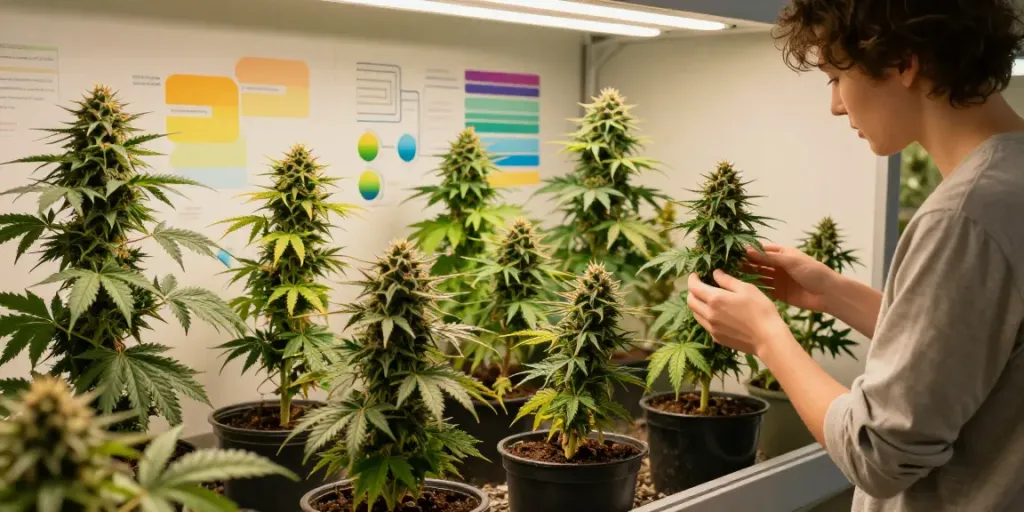
Understanding the Benefits of CBD and THC
In recent years, cannabidiol (CBD) and tetrahydrocannabinol (THC) have gained substantial interest for their potential therapeutic benefits, particularly in the realm of wellness. While CBD is celebrated for its non-psychoactive properties and broad array of health-promoting effects, THC offers distinct benefits that can complement those of CBD. From anxiety reduction to pain relief, these cannabinoids may offer a natural alternative to traditional wellness solutions. When exploring options, Most trusted online dispensary shipping worldwide can provide comprehensive insights into various products available for consumer use.
What Are the Health Benefits of CBD?
CBD, a non-psychoactive compound found in cannabis, has been researched extensively for its potential health benefits. Some notable therapeutic applications include:
- Anxiety Relief: Studies have indicated that CBD can reduce anxiety and lower cortisol levels, making it effective for those suffering from anxiety disorders.
- Improved Sleep Quality: CBD may help regulate sleep patterns, promoting a more restful night’s sleep.
- Pain Management: CBD possesses analgesic properties that can be beneficial for chronic pain management, making it a preferred option for those with arthritis or fibromyalgia.
- Reduced Inflammation: CBD is known for its anti-inflammatory properties, which can help alleviate symptoms associated with various inflammatory conditions.
How THC Complements CBD for Wellness
While CBD offers numerous health benefits, THC contributes its own unique effects. Known for its psychoactive properties, THC interacts with the body’s endocannabinoid system, enhancing feelings of euphoria and relaxation. Additionally, THC can help with the following:
- Appetite Stimulation: THC is well-known for inducing appetite, often making it beneficial for individuals undergoing treatments that cause appetite loss.
- Pain Relief: THC can provide quicker relief than CBD for acute pain due to its immediate psychoactive effects.
- Sleep Aid: Many users report that THC helps them fall asleep faster, making it a useful option for those struggling with insomnia.
Emerging Research on Cannabinoids
Ongoing research continues to unravel the many complexities of cannabinoids. Emerging studies have suggested that the combination of CBD and THC may produce enhanced therapeutic benefits through an effect known as the “entourage effect,” where the compounds work synergistically to provide greater efficacy. This growing body of evidence supports the need for further investigation into cannabis and its components, potentially leading to new therapeutic applications in wellness.
Types of CBD Products Available
Various CBD products exist on the market, each designed to suit different preferences and needs. Understanding these products is essential to choosing the right one to enhance your wellness journey.
Exploring CBD Oils and Tinctures
CBD oils and tinctures are among the most popular forms of cannabidiol. They are typically taken sublingually (under the tongue) for rapid absorption into the bloodstream. Factors to consider when choosing CBD oils include:
- Concentration: Oil concentrations can vary widely; start with a lower dose to assess your tolerance.
- Type of Extract: Decide between full-spectrum, broad-spectrum, or CBD isolate based on your wellness goals.
- Flavor: Some oils may be flavored to mask the natural taste, enhancing palatability.
Edibles: Gummies, Chocolates, and More
Cannabinoid edibles are a convenient and tasty way to consume CBD. Available in various formats like gummies, chocolates, and beverages, they offer a discreet method of ingestion. Key points to consider include:
- Metabolism: Edibles pass through the digestive system and may take longer to take effect, typically ranging from 30 minutes to 2 hours.
- Dosing: Exact dosing can be challenging with edibles; it’s crucial to read labels carefully and start with low doses.
- Onset Time: The effects of edibles can last longer than oils, making them suitable for prolonged relief.
Topicals: Balms and Creams for Targeted Relief
Topical CBD products, such as balms and creams, are designed for localized application. They absorb through the skin to interact with cannabinoid receptors, providing targeted relief. Benefits include:
- Localized Treatment: Ideal for spot treatment of aches and pains, allowing users to address discomfort in specific areas.
- Non-Psychoactive: Users won't experience psychoactive effects, making them a safe option for those concerned about THC.
How to Properly Dose CBD
Finding the right CBD dosage can be complex, as individual responses may vary based on metabolism, body weight, and the desired effect. Implementing a strategic approach to dosing will enhance your experience.
Calculating Your Ideal Dosage
A common method for determining your dosage is starting low and gradually increasing it until the desired effects are observed. A general starting point is:
- Reduction Method: Start with 1-5 mg of CBD per 10 pounds of body weight.
- Incremental Increase: Increase your dose by 5 mg every week until you achieve the desired effects.
Understanding Bioavailability of CBD
Bioavailability refers to the percentage of a substance that enters circulation when introduced into the body. For CBD, different methods of consumption yield varied bioavailability rates. For example:
- Sublingual Oils: Higher bioavailability, approximately 20-35% due to direct absorption into the bloodstream.
- Edibles: Lower bioavailability, ranging from 4-20% as it must first pass through the digestive system.
Adjusting Dosage Based on Experience
Individual tolerance also plays a crucial role in determining an ideal dosage. Factors to consider include previous cannabis use, any other medications being taken, and health conditions. It’s essential to maintain a customer-centric approach: listen to your body and modify accordingly.
Quality Standards in the Cannabis Industry
The quality of cannabis products can significantly affect their efficacy and safety. Understanding industry standards can help consumers make informed choices.
Importance of Third-Party Testing
Reputable cannabis brands will often subject their products to third-party testing to ensure purity and potency. This independent verification is vital for consumer trust. Look for:
- Certificates of Analysis (COA): These reports confirm that the product meets quality standards.
- Contaminant Testing: Checking for harmful substances like pesticides, heavy metals, and solvents.
- Potency Verification: Ensuring the product contains the stated amounts of cannabinoids.
How to Read a Certificate of Analysis (COA)
A Certificate of Analysis outlines the results of laboratory testing. Understanding the COA provides transparency and accountability. Key aspects to review include:
- Batch Number: Verify that the COA corresponds to your product's batch.
- Component Details: Check for cannabinoid content and contaminant levels.
- Lab Accreditation: Ensure the testing facility is recognized and follows rigorous standards.
Identifying Reputable CBD Brands
In an already saturated market, research is paramount when selecting CBD products. Signs of credible brands include:
- Transparency: Willingness to share information, such as sourcing and testing details.
- Positive Customer Reviews: Genuine customer feedback can be insightful.
- Industry Certifications: Look for brands that follow Good Manufacturing Practices (GMP).
Legal Landscape of CBD in 2026
The legal status of cannabis in the United States continues to evolve. As we move into 2026, understanding the current regulations is crucial for consumers.
Current Regulations and Compliance
The 2018 Farm Bill legalized hemp-derived CBD with less than 0.3% THC federally. However, state regulations may vary significantly, with some states implementing stricter rules concerning CBD sales.
State vs. Federal Laws on Cannabis Products
While hemp-derived CBD is legal federally, individual states may impose specific restrictions or additional regulatory frameworks impacting sales. It’s best to check local laws before purchasing.
What to Consider When Shipping Internationally
Shipping cannabis products internationally involves navigating a complex legal landscape. Key considerations include:
- Import Laws: Each country has unique rules about importing cannabis products; always verify before shipping.
- Documentation: Proper documentation facilitates compliance with regulations.
Potential Drug Interactions with CBD
CBD may interact with various medications, particularly blood thinners and other pharmaceuticals metabolized in the liver. It’s advisable to consult a healthcare professional before starting any CBD regimen, especially for those on other medications.
How to Safely Store CBD Products
To maintain potency and extend shelf life, proper storage is crucial. Recommendations include:
- Cool, Dark Place: Store products away from light and heat to avoid degradation.
- Airtight Containers: Proper sealing can help protect products from moisture and air.
What Should I Know About the Shelf Life of CBD?
CBD products can have varying shelf lives based on storage conditions and product type. Generally, oils have a longer shelf life (up to two years), while edibles may last 6-12 months. Regularly check for changes in smell or color as indicators of expiration.
Safety & Compliance
It is paramount for consumers to be aware of safety issues regarding cannabis consumption. Knowledge of possible side effects and contraindications can bolster a positive experience with CBD products.
Potential Side Effects and Contraindications
While generally considered safe, CBD may produce side effects in some individuals. Common side effects include:
- Drowsiness: Some users may feel sleepy, particularly at higher doses.
- Dry Mouth: CBD can decrease saliva production, leading to a dry sensation in the mouth.
- Digestive Changes: Some users report changes in appetite or stomach discomfort.
Drug Testing Concerns
Full-spectrum products contain trace amounts of THC that could trigger a positive drug test. Users interested in passing a drug test should consider THC-free options.
Age Restrictions and Responsible Use Messaging
Due to the psychoactive nature of THC, most jurisdictions require users to be at least 21 years old. Educating oneself about responsible consumption is essential for ensuring safety.
Quality Control and Counterfeit Product Warnings
As the market grows, so does the risk of counterfeit products. Be vigilant for signs of low-quality items, such as lack of lab testing or suspiciously low prices. Stick to reputable brands with a proven track record.
Content Quality & Depth
Educating consumers on quality, safety, and efficacy is key to navigating the cannabis product landscape confidently. By offering evidence-based wellness information, we can assist readers in making informed health decisions.
Evidence-Based Wellness Information with Scientific Backing
Understanding the mechanics of CBD and THC helps consumers appreciate the potential health benefits while setting realistic expectations. For example, while many individuals report positive outcomes, not everyone will have the same experience. It’s essential to consider individual biochemistry and lifestyle factors when assessing the potential for cannabinoids to enhance wellness.
Realistic Examples and User Scenarios
User experiences with CBD can vary widely, highlighting that effectiveness may depend on factors such as dosage, specific health conditions, and method of ingestion. Sharing real-world scenarios can provide valuable insight into how CBD might fit within various wellness routines.
Addressing Current 2026 CBD/Vaping Industry Trends
As the industry continues to evolve, awareness of emerging trends—such as increasing demand for cannabinoid-rich products and advancements in extraction methods—can impact consumer choices. Staying informed is crucial for finding the best products.
Maintaining an Educational, Trustworthy Tone
Consumers deserve trustworthy, accurate information when exploring CBD and THC products. By focusing on education rather than hype, we can build a foundation for responsible use and appreciation for the potential benefits of these natural compounds.